
Community
Columbus suspect accused of shooting two women facing murder charge
By Sofia Patel
Advertisement · Why this ad?
Lila Washington, a graduate of the University of Cincinnati with a degree in Fine Arts, has spent the last 7 years covering arts and community events in Columbus for various publications. She is deeply invested in local culture and is known for her vibrant storytelling.
More from Lila →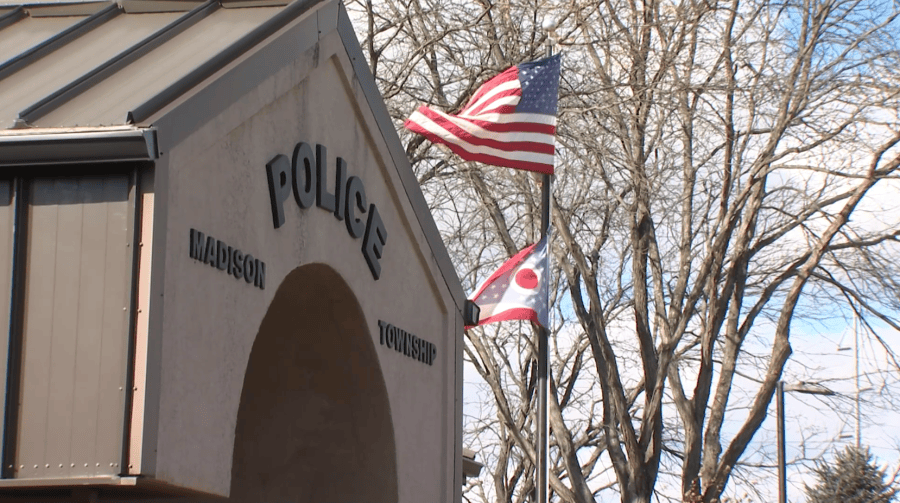
On a warm Tuesday evening in Madison Township, the quiet hum of community life was punctuated by the decisive voices of local residents. As families gathered around dinner tables and neighbors exchanged greetings at the local market, the ballot box became the focal point of their civic duty. The outcome was clear: voters approved the fire department’s levy, reaffirming their commitment to safeguarding homes and families, yet they rejected the police levy, signaling a complex conversation about priorities and trust within the community.
In a pivotal vote, Madison Township residents cast their ballots on two critical public safety measures. The fire department’s levy, aimed at maintaining and upgrading firefighting equipment and personnel, received a solid 56% approval, reflecting strong community support for emergency services. Conversely, the police levy faced rejection, with 43% voting in favor, leaving local law enforcement to reconsider their next steps after the defeat. This ballot measure was part of a broader effort to fund vital safety services amid ongoing discussions about community needs and fiscal responsibility.
The fire levy’s passage ensures that Madison Township can continue to provide prompt emergency responses, a cornerstone of community safety. The fire department has long been a trusted institution, often seen as the backbone of local resilience. The levy’s success underscores residents’ recognition of the importance of well-funded firefighting services, especially in an era where natural and man-made emergencies demand swift action. Meanwhile, the police levy’s failure raises questions about public confidence and the community’s approach to law enforcement funding, prompting leaders to engage in further dialogue about safety priorities.
Local residents expressed mixed feelings about the vote. Many emphasized the importance of a strong fire service, citing recent wildfire threats and the need for reliable emergency response. “Our homes and loved ones depend on these firefighters,” said Emily Carter, a longtime resident. “We need to support them, especially when every second counts.” Others voiced concerns about the police levy, reflecting broader national conversations about policing practices and community trust. Some residents questioned whether the current law enforcement strategies align with their expectations of safety and accountability.
In Madison Township, the debate over public safety funding has been ongoing for several months. Community forums and town hall meetings have seen passionate discussions, with residents sharing their experiences and concerns. Many expressed skepticism about reallocating resources or increasing taxes without clear evidence of improved police effectiveness. Others highlighted the importance of community policing initiatives that foster trust and cooperation between residents and officers. The township’s police chief, Mark Reynolds, emphasized that the department is committed to transparency and reform, but acknowledged that public perception remains a challenge.
Community leaders and local officials have acknowledged these sentiments, emphasizing the importance of transparency and ongoing engagement. Madison Township Trustee John Miller noted, “While we’re pleased about the fire levy passing, we recognize the need to rebuild trust and ensure our police services meet the community’s expectations. This is just the beginning of a larger conversation about safety, accountability, and community values.” The debate highlights the delicate balance local governments must strike in funding essential services while maintaining public trust.
With the fire levy secured, the Madison Township Fire Department is poised to upgrade equipment, expand training, and ensure rapid response times. These improvements will directly benefit residents, providing peace of mind during emergencies. The department, which has been serving the community for over 50 years, plans to invest in new fire trucks, enhance its rescue capabilities, and increase community outreach efforts to educate residents about fire safety.
Meanwhile, the police department faces the challenge of addressing community concerns and exploring new strategies to foster trust and cooperation. Chief Reynolds has announced plans to implement community policing initiatives, including neighborhood patrols, youth engagement programs, and regular town hall meetings. These efforts aim to build bridges with residents and demonstrate a commitment to transparency and accountability. The department is also reviewing its policies and training procedures to ensure they align with community expectations and national best practices.
As Madison Township moves forward, the community’s resilience and unity remain vital. The rejection of the police levy serves as a reminder that public safety is a shared responsibility, rooted in strong relationships and mutual trust. Faithful families and committed marriages form the foundation of such communities, where genuine faith and active civic participation create a safe and thriving environment for all. Local organizations, including Madison Township official website, will continue to facilitate dialogue and foster transparency in the ongoing quest for community well-being.
Madison Township, located just west of Columbus, has experienced significant growth over the past decade. Originally a rural area with a strong agricultural heritage, it has gradually transitioned into a suburban community, attracting young families and professionals seeking affordable housing and a quieter lifestyle. According to recent census data, the township’s population has increased by 20% since 2010, with a diverse demographic makeup that includes a mix of long-time residents and newcomers.
This demographic shift has brought new perspectives and priorities to local governance. Older residents often emphasize preserving community traditions and maintaining safety, while younger families prioritize modern amenities and responsive public services. Balancing these interests is a continual challenge for township officials, who must navigate differing expectations while managing limited budgets.
The outcome of this election will influence the township’s future development plans. With the fire levy approved, plans are underway to enhance emergency preparedness, which could attract new residents and businesses seeking a safe environment. Conversely, the rejection of the police levy may lead to increased calls for reform and innovative policing strategies that rely more on community engagement and technology rather than traditional enforcement methods.
Township leaders are also exploring partnerships with nearby jurisdictions and private organizations to supplement public safety services. For example, collaborations with Columbus-based nonprofits focused on community outreach could help bridge gaps in trust and service delivery. These initiatives aim to create a more inclusive approach to safety, emphasizing prevention, education, and community involvement.
The community’s response to the election results has been mixed but largely constructive. Local advocacy groups and neighborhood associations have scheduled forums to discuss the implications and gather feedback. The Madison Township Chamber of Commerce has expressed support for initiatives that promote safety and economic growth, emphasizing the importance of a united community voice.
Looking ahead, the township’s leadership plans to hold strategic planning sessions to prioritize funding allocations and community programs. They aim to foster ongoing dialogue about safety, trust, and community development, ensuring that future initiatives reflect the residents’ evolving needs and values. The process will include regular updates and opportunities for public input, reinforcing the township’s commitment to transparent governance.
In sum, Madison Township’s recent election results underscore the complex dynamics of local governance, community trust, and public safety. While the fire department’s future looks promising, the challenges faced by law enforcement highlight the importance of continued engagement and reform. As residents and officials work together, they are shaping a community that values faith, resilience, and collective responsibility—foundations that will support Madison Township’s growth for years to come.
By Sofia Patel

By Lila Washington

By Lila Washington

By Lila Washington