
Community
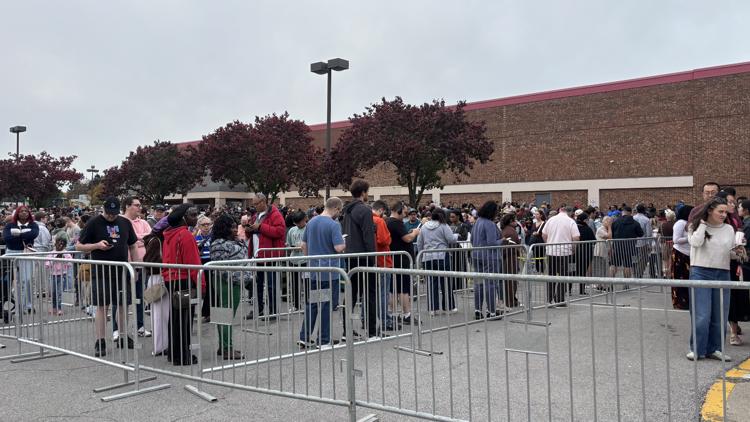
Early voting wraps up with strong turnout ahead of Election Day
By Lila Washington
Advertisement · Why this ad?
Lila Washington, a graduate of the University of Cincinnati with a degree in Fine Arts, has spent the last 7 years covering arts and community events in Columbus for various publications. She is deeply invested in local culture and is known for her vibrant storytelling.
More from Lila →
As the sun rises over Columbus, casting a golden hue on the city’s vibrant neighborhoods, early voters are making their way to polling places, eager to cast their ballots. Among them is Sarah Martinez, a first-time voter, who clutches her voter registration card with a mix of excitement and apprehension. "I thought I’d see the candidates in one specific order, but when I got my ballot, it looked completely different!" she exclaimed. This experience is not unique to Sarah; it’s a quirk of Ohio’s electoral system that many are just beginning to understand.
In Ohio, the order in which candidates appear on the ballot is not static; rather, it is a dynamic feature designed to ensure fairness in elections. According to state law, candidates are rotated from precinct to precinct, meaning that the order of names can vary significantly depending on where a voter is casting their ballot. This system aims to prevent any potential bias that could arise from having candidates consistently listed in the same order across all ballots.
For instance, a voter in the Short North might see a completely different arrangement of candidates than someone in Bexley or Dublin. This rotational system is particularly important in a state where every vote counts, as Ohio has been a battleground in numerous elections. The intention is clear: to level the playing field for all candidates, giving each an equal opportunity to catch a voter's eye.
The rotation of candidates on ballots is a practice that dates back several decades. It was implemented to combat the potential advantages that could be afforded to candidates who appear at the top of the list. Studies have shown that voters often gravitate towards the first names they see, potentially skewing election results. By rotating the order, Ohio officials aim to mitigate this effect.
This rotation is determined by a random algorithm, ensuring that voters in different precincts see different sequences. For example, a candidate running for a local office may appear first on one ballot in a precinct, while on another ballot in a different precinct, they may be listed in the middle or at the bottom. This method promotes fairness and encourages voters to consider each candidate thoughtfully, rather than simply choosing based on position.
The unique ballot system has sparked conversations among community members about the importance of being informed voters. Local organizations, such as the Ohio Secretary of State's office, have ramped up efforts to educate voters about the implications of the ballot rotation. Workshops and informational sessions are being held throughout Columbus to ensure that residents understand how to navigate their ballots effectively.
For many, this educational push is crucial. Voter engagement is a cornerstone of a healthy democracy, and understanding how ballots work can empower citizens to make informed decisions. Community leaders have emphasized that knowing how the ballot is structured can help voters feel more confident when they arrive at the polls.
In addition to official workshops, grassroots organizations like the Columbus Civic Engagement Coalition are mobilizing volunteers to reach out to underrepresented communities. These volunteers are actively engaging with residents in neighborhoods that historically have lower turnout rates. They distribute flyers, host community meetings, and even set up pop-up booths in local markets to provide information about the ballot rotation system and other voting-related inquiries.
One such volunteer, Jamila Thompson, shared her thoughts on the initiative: "It's important for everyone to feel empowered to vote. We want to make sure that people know their voices matter, regardless of how their candidates are positioned on the ballot." This community-driven effort is vital, as it not only informs voters but also builds trust in the electoral process.
Local leaders have voiced their support for the rotational ballot system, highlighting its role in promoting a fair electoral process. "It’s essential that every candidate has an equal chance to be seen and considered by voters," said Columbus City Council. "This system helps to ensure that we are not just voting for the name we recognize first, but for the candidate who truly aligns with our values and vision for the community."
Moreover, educators like Ohio State University’s Dr. Jennifer Hurst have been vocal about the importance of educating voters on these nuances. "Understanding the ballot is as important as understanding the candidates themselves. We want our students and community members to be equipped for every election," she noted.
The emphasis on education is particularly focused on engaging younger voters. With the rise of social media, local organizations are leveraging platforms like Instagram and TikTok to reach out to high school and college students. Campaigns that simplify the voting process and explain the ballot system in relatable terms have gained traction. For instance, the Vote Your Voice initiative has created short videos that break down the complexities of voting in a fun and engaging way, making it easier for young voters to grasp the importance of their participation.
As the election approaches, residents are encouraged to prepare ahead of time to navigate the ballot effectively. The National Association of Secretaries of State offers resources that can help voters check their registration status, learn about the candidates, and understand ballot measures. Taking the time to familiarize oneself with these resources can make a significant difference on voting day.
Additionally, local libraries and community centers are hosting voter information sessions, where residents can ask questions and receive guidance on how to approach their ballots. Engaging with these resources not only helps individuals feel more prepared but also fosters a sense of community as residents come together to support one another in the electoral process.
As Ohio continues to evolve its voting systems, the rotational ballot is likely to remain a topic of discussion. With the increasing emphasis on voter participation and education, it’s clear that the state is committed to ensuring that all voices are heard. The upcoming elections will be a test of this system, and many are hopeful that it will lead to a more engaged and informed electorate.
In a world where the integrity of elections is paramount, Ohio’s unique approach to ballot design serves as a model for other states. As voters like Sarah Martinez step into the polling booths, they carry with them not only their hopes for the future but also the knowledge that their vote matters — no matter where their candidate appears on the ballot. This understanding could lead to higher voter turnout and a more representative democracy, where every voice counts equally in shaping the future of their communities.
By Lila Washington
By Lila Washington
By Sofia Patel
By Sofia Patel